Everyday Places
Improving the environments, services and local economies people rely on every day.
Daily life happens at street level.
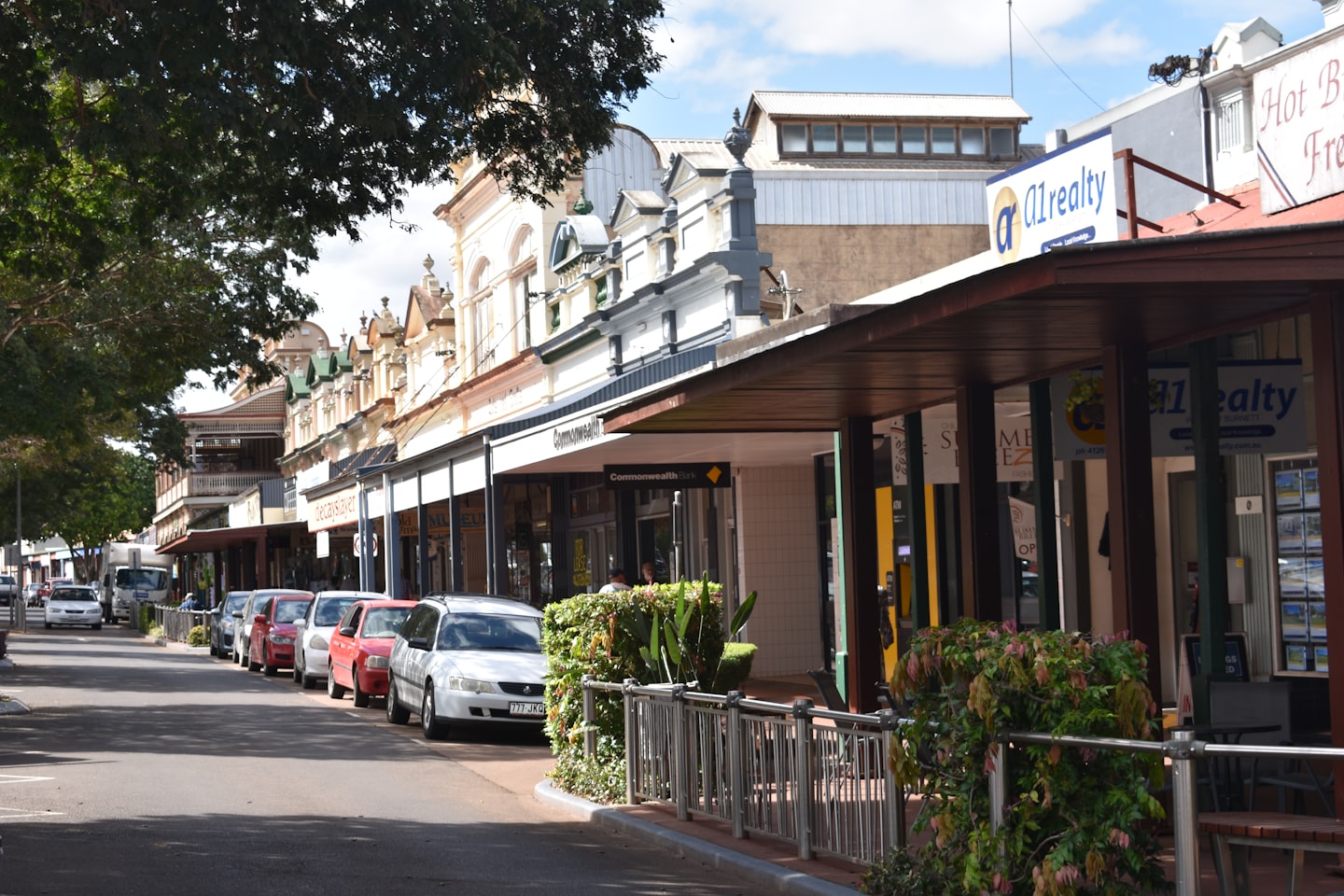
The trip to childcare, the Saturday shop, the after-work errand that keeps a main street trading. These small routines decide how a place feels to live in. When they work, no one notices. When they don't, people quietly take their time, spending and loyalty elsewhere.
We help councils and place managers understand how people actually use centres, streets and neighbourhoods: what draws them, what turns them away, and which changes would give them more reasons to stay.
Which facilities and services a community needs, where they should sit and when they must arrive. Connecting demographic change, catchments and capacity to what people can practically reach.
Work in this service →
Why a centre trades the way it does. Observed spending and movement separate a shortage of demand from a shortage of reasons to stay, and show which changes would keep more of the local economy local.
Spendmapp shows how a centre trades →Work in this service →
The conditions that let local jobs cluster and grow: floorspace, access, amenity and the industries a district can realistically attract and hold.
Work in this service →
How a place behaves after dark (who is there, what draws them, and what makes it feel safe) and what would extend trading, activity and belonging into the evening.
Spendmapp measures the evening economy →Work in this service →
The evidence beneath a plan: how many people, what mix of homes, which services and what movement the place must hold. All settled before lines are drawn on maps.
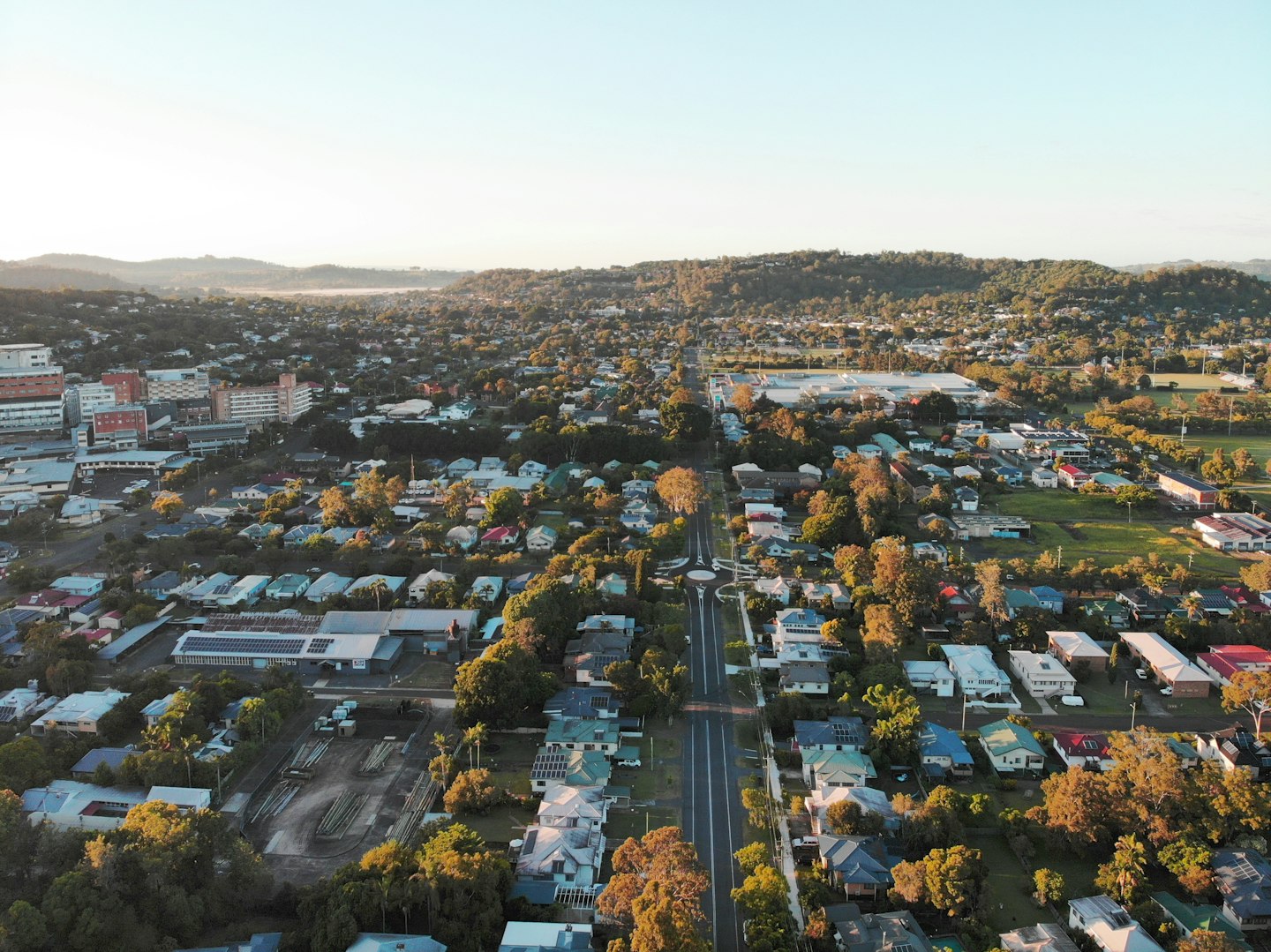
How people actually move through streets, centres and public places (routes, crossings, dwell) so design works with observed behaviour rather than assumed flows.


- Where does local spending stay, and where does it leave?
- Why is the centre busy at midday and empty by early evening?
- Which neighbourhoods are growing beyond practical reach of everyday services?
- What would give people more reasons to stay on the main street?
- Where would new community infrastructure make the greatest practical difference?
A centre's economy changes every week. The evidence should keep up.
Spendmapp shows how residents and visitors use local economies, where spending concentrates, when behaviour changes and which purchases leave the area. Long after a strategy is adopted.
See how Spendmapp works →